


Social media journalism blurs lines
Updated: Dec 21, 2022
Gone are the days of everybody getting their news delivered to their doorsteps. Gone are the days of everybody watching the same two T.V. channels for the nightly brief. Now, most people hold all of the news, all of the time, in the palm of their hand.
That’s right, social media has changed the game for both news consumers and journalists.
The line between being a journalist and an audience member
Change is a good thing though… isn’t it? Well, it's complicated. The expanse of journalism on social media has impacted the process of reporting and consuming news forever — in both good and bad ways. For example, the line between shared content from a trained, credible journalist and shared content from a right-place-right-time citizen is as blurred as ever. Social media allows anybody to share content, which means non-journalists on the site of a breaking news story can document it ASAP, before journalists can even get to it.

Occupy Wall Street protesters in Zuccotti Park, New York: footage was broadcast live from the site by bloggers. Photograph: Stan Honda/AFP/Getty Images
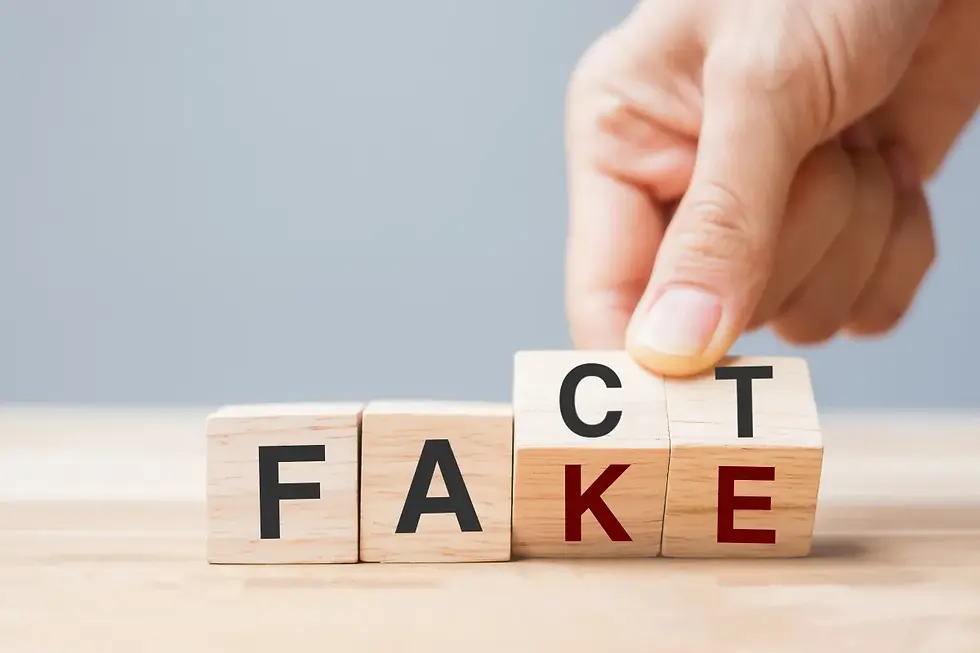
This is, for the most part, a good thing. But with how easy it is to share content on social media, there has also been a rise in misinformation and disinformation — including but not limited to:
Doctored photos and videos
Tweets made from falsely verified accounts
With such low rates of media literacy, these occurrences are not just pesky fake-outs, they are serious threats to journalism as we know it.
The line between a journalist and their audience
Smaller communities feel the positives of this the most. Community members are able to connect with local reporters and reporters can get to know their audience and hear the stories that the community wants to be told.
But… work-life balance is important, right?
The line between a journalist’s work and life
Yes. But being a journalist on social media means you pretty much take your job everywhere. For most reporters in the digital age, the line between work and play is, you guessed it, blurred. For some reporters this can mean constantly checking the engagement on their content. For others it can mean their job is the first thing they do in the morning and the last thing they do at night. And for others, it can mean holding a portal to a world of hateful comments in their hand at all times.
Though social media has changed the way journalists do their jobs, some lines need to be drawn if we want to see more of social media’s positive impacts.


Comments